

close
Choose Your Site
Global
Social Media


Warehouse throughput relies entirely on consistent power management. Mid-shift battery failures and inefficient charging cycles cause immediate operational bottlenecks and lost revenue. Procurement teams often default to legacy battery types based on familiarity, ignoring the hidden impacts of daily maintenance, dedicated charging real estate, and premature equipment degradation. A reliable power strategy requires matching equipment specifications to facility capabilities. This Forklift Battery Guide breaks down the technical specifications, facility infrastructure requirements, and operational realities of modern power systems. Operations managers can use these field-tested insights to make data-backed, scalable procurement decisions. We will examine shift profiles, environmental demands, and fleet compatibility to ensure your warehouse operates at peak efficiency without unnecessary downtime.

Infrastructure Dictates Viability: Fast-charging modern batteries requires substantial electrical grid capacity; facility power audits are a mandatory prerequisite to upgrading battery technology.
Weight is a Safety Feature: Forklift batteries act as essential counterweights. Upgrading to lighter battery technologies requires precise ballast adjustments to maintain safe lifting capacities.
Space Utilization: Transitioning away from traditional lead-acid batteries can reclaim valuable warehouse square footage by eliminating the need for dedicated, ventilated battery charging rooms.
Table of Contents
Operational hours dictate your baseline power requirements. Single-shift operations have ample time for overnight charging and cooling. Multi-shift operations run continuously and demand different power strategies. A facility operating 24/7 cannot accommodate long charging downtime. You must establish baseline metrics for acceptable equipment swap times. Calculate the exact minutes lost during peak operational hours when operators change batteries. High utilization rates demand power sources capable of rapid replenishment. Low utilization rates offer more flexibility in charging schedules. Map your exact shift profiles before evaluating battery chemistry.
To accurately map your shift profiles, follow these operational steps:
Log the exact start and stop times for every piece of material handling equipment over a 14-day period.
Identify peak movement hours where equipment downtime causes the most severe dock backups.
Measure the physical distance between primary operating zones and the designated charging stations.
Record the average duration of operator breaks and lunches to identify opportunity charging windows.
Understanding your utilization rate prevents over-specifying or under-specifying your power units. A forklift used for two hours a day requires a vastly different power solution than one running heavy pallets for eighteen hours. You must align the battery capacity with the actual amp-hour draw of your specific application.
Temperature extremes severely impact battery performance. Cold storage and freezer applications drain power rapidly. Traditional lead-acid batteries can lose up to 50% of their capacity in freezing temperatures. The chemical reaction slows down significantly in cold environments. This leads to sluggish equipment and shortened shift cycles. Modern lithium-ion batteries often feature internal heaters. These heaters maintain optimal cell temperatures during operation. Consistent power delivery remains stable even in deep freeze conditions. Evaluate your facility temperatures to ensure your power source matches the environment.
Operating in a blast freezer requires specialized equipment configurations. Condensation forms when forklifts move between sub-zero freezers and ambient temperature loading docks. This moisture causes severe corrosion on exposed battery terminals. Sealed battery technologies prevent moisture ingress and eliminate this corrosion risk. You must also consider high-heat environments. Foundries and outdoor lumber yards expose equipment to extreme summer temperatures. High heat accelerates fluid loss in flooded batteries. This forces maintenance teams to water the cells more frequently to prevent permanent plate damage.
Upgrading battery technology requires robust electrical infrastructure. You must audit your current electrical grid capacity. Determine your facility peak load limits before installing fast chargers. High-frequency chargers draw significant amperage. Older buildings may lack the necessary electrical panels or transformers. Spatial constraints also play a major role in battery selection. Traditional batteries require dedicated charging rooms. These rooms need specialized ventilation systems to extract explosive gases. Emergency eyewash stations and acid spill kits are mandatory. Eliminating these requirements can free up premium warehouse floor space.
Conducting a facility infrastructure audit involves several technical evaluations. You need to verify the incoming voltage from the utility provider. Many industrial chargers require 480V three-phase power to operate efficiently. Running new conduit and upgrading breaker panels requires significant capital and facility downtime. You must also evaluate the structural integrity of your flooring. Battery rooms house thousands of pounds of concentrated weight. Acid spills degrade standard concrete over time. Applying acid-resistant epoxy coatings adds another layer of facility preparation.
Battery specifications must align with your existing fleet. Different forklift classes require specific voltage outputs. Pallet jacks typically run on 24V systems. Narrow aisle reach trucks often utilize 36V or 48V systems. Heavy-duty sit-down riders demand 80V power sources. You must match the battery voltage to the equipment requirements. Installing an incorrect voltage system will damage the forklift motor. Address compatibility with OEM forklift warranties. Ensure the new battery integrates seamlessly with existing telematics systems. Data communication between the battery and the forklift is essential for performance monitoring.
Weight distribution also affects fleet compatibility. Forklifts rely on the battery weight to maintain traction on the drive tires. A battery that is too light causes the drive tires to spin on polished concrete floors. This reduces braking efficiency and creates severe safety hazards. You must consult the forklift manufacturer data plate. The data plate specifies the minimum and maximum allowable battery weight. Any power source you install must fall strictly within this specified weight range.
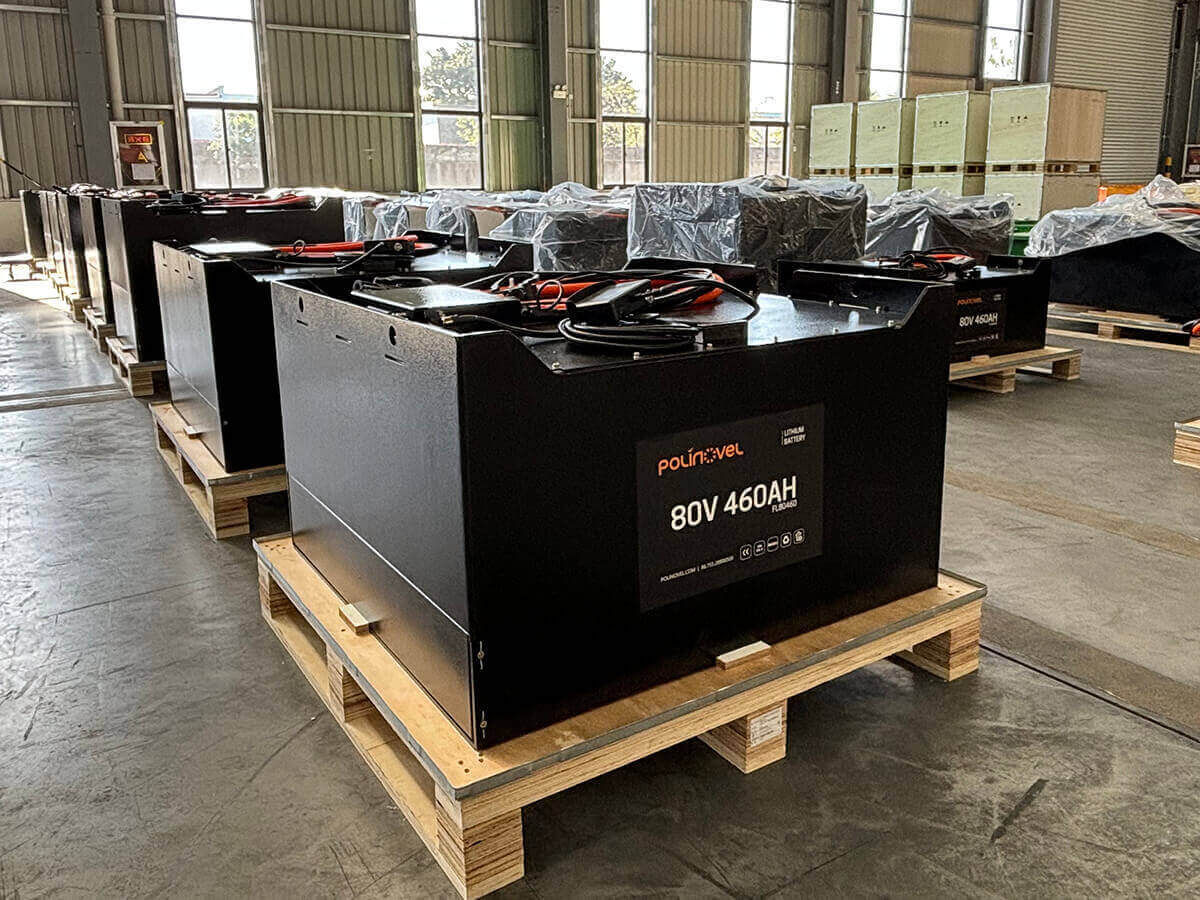
Lead-acid technology relies on a proven chemical reaction. Lead plates submerge in a sulfuric acid electrolyte solution. Discharging the battery converts the lead into lead sulfate. Charging reverses this process. This reaction requires regular water addition to maintain electrolyte levels. Equalization charges are necessary to prevent acid stratification.
The primary advantage is the highly established recycling infrastructure. These batteries naturally meet heavy counterweight requirements for lifting operations. However, they demand a conventional 8-8-8 cycle. This means eight hours of use, eight hours of charging, and eight hours of cooling. They require weekly watering and carry risks of acid spills. Deep discharging rapidly degrades the internal lead plates.
Managing a lead-acid fleet requires dedicated maintenance personnel. If operators forget to water the batteries, the lead plates dry out and warp. If they overwater the batteries, the acid boils over during the charging cycle. This boil-over destroys the steel battery case and damages the forklift chassis. You must implement rigid maintenance schedules to achieve the expected lifespan from these units.
Lithium-ion batteries utilize an enclosed cell structure. Most industrial applications use Lithium Iron Phosphate (LiFePO4) chemistry. This chemistry provides excellent thermal stability. Integrated Battery Management Systems (BMS) monitor every individual cell. The BMS balances the load and prevents overcharging.
This technology enables opportunity charging. Operators can plug in the equipment during 15-minute breaks. These batteries require zero daily maintenance. They offer a flat discharge curve. The forklift maintains consistent power until the battery is completely empty. They typically deliver two to three times the lifespan of lead-acid units. The drawbacks include potential facility electrical upgrades and complex end-of-life recycling processes.
The flat discharge curve significantly impacts operator productivity. A lead-acid battery loses voltage as it discharges. This causes the forklift hydraulics to slow down toward the end of a shift. Operators experience slower lift speeds and reduced travel velocity. Lithium-ion maintains peak voltage until depletion. The forklift operates at maximum speed during the entire shift. This consistent performance increases the total number of pallets moved per hour.
Thin Plate Pure Lead (TPPL) offers a middle-ground solution. These batteries feature thinner plates packed tightly together. This design lowers internal resistance. TPPL batteries charge faster than standard lead-acid units. They also require less maintenance. You do not need to water TPPL batteries. They support opportunity charging, making them suitable for medium-throughput operations.
Hydrogen fuel cells serve enterprise-level, continuous-run facilities. They generate electricity through a chemical reaction between hydrogen and oxygen. The only byproduct is water vapor. Refueling takes minutes, mirroring traditional combustion engines. However, this technology requires massive on-site hydrogen generation and storage infrastructure. It remains viable primarily for massive distribution centers running hundreds of trucks. Installing liquid hydrogen tanks requires extensive permitting and specialized safety protocols.
Operational Comparison of Core Power Technologies
Feature | Lead-Acid | Lithium-Ion (LiFePO4) | TPPL |
|---|---|---|---|
Daily Maintenance | Weekly watering, equalization | Zero daily maintenance | Minimal maintenance |
Charging Cycle | Strict 8-8-8 rule | Opportunity charging allowed | Opportunity charging allowed |
Discharge Curve | Sloping (power drops as charge drops) | Flat (consistent power until empty) | Moderate sloping |
Ventilation Needs | Dedicated exhaust systems required | None required | Minimal |
Cooling Period | 8 hours required | None required | Minimal |
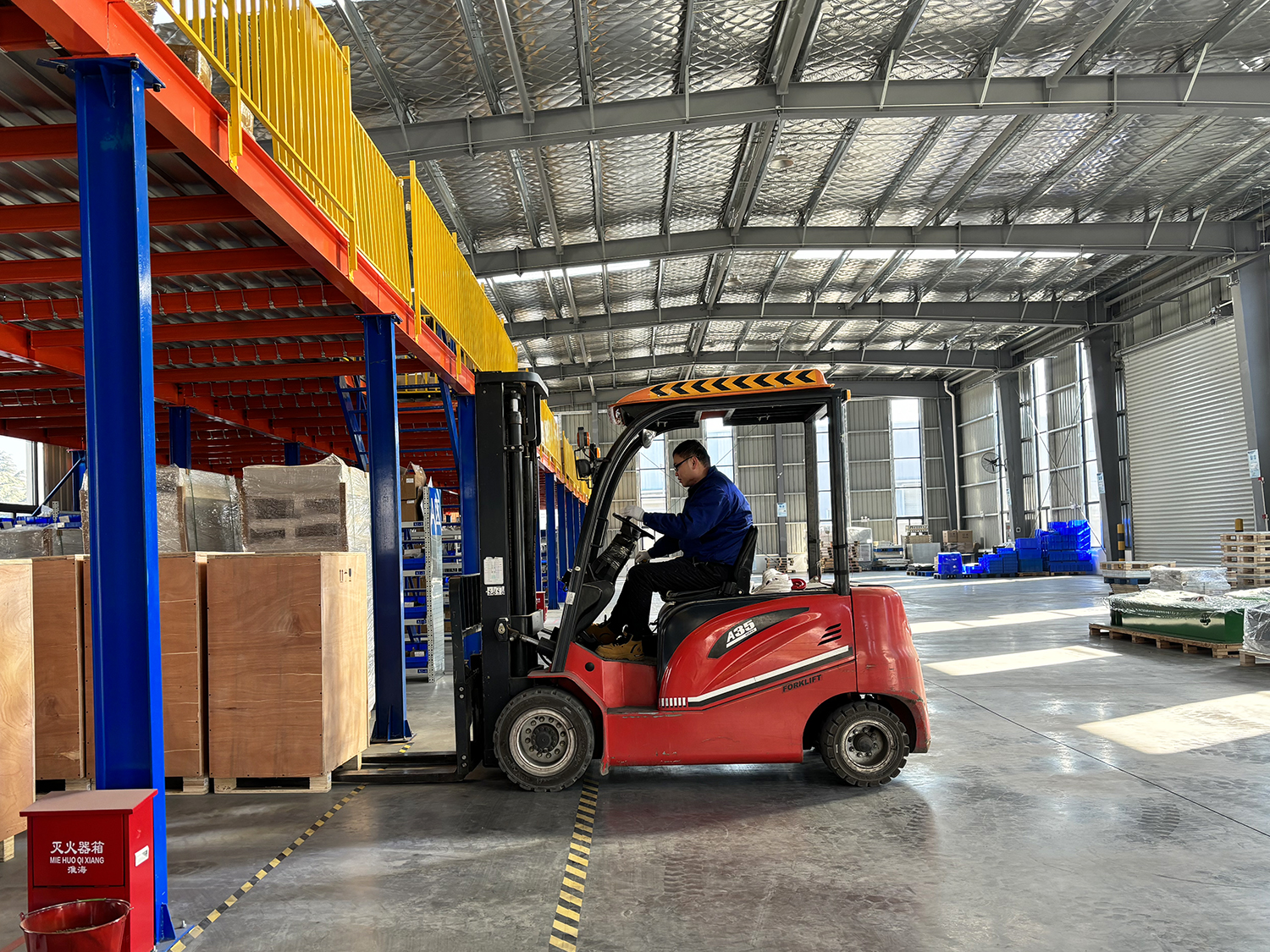
The physical footprint of your charging strategy impacts warehouse efficiency. Decentralized lithium-ion chargers sit directly on the warehouse floor. You can place them near break rooms or loading docks. Operators plug in without driving across the facility. This eliminates physical battery swaps mid-shift.
Centralized lead-acid battery rooms consume massive square footage. These rooms require specialized flooring to resist acid corrosion. You must install gantry cranes or battery extractors to lift the heavy units. High-capacity exhaust fans must run constantly to remove hydrogen gas. Decentralized charging reclaims this space for revenue-generating inventory storage. Evaluate the operational time saved by eliminating travel time to the battery room.
Consider the workflow of a typical battery swap. An operator drives to the battery room. They wait in line for the extraction equipment. They remove the depleted battery and install a fresh one. They log the swap in the maintenance system. This entire process takes twenty to thirty minutes. Multiplying this downtime across a fleet of fifty forklifts reveals massive productivity losses. Decentralized opportunity charging eliminates this entire workflow.
Battery longevity directly ties to chemical degradation. Standard lead-acid batteries yield approximately 1,500 cycles. Lithium-ion batteries often exceed 3,000 cycles. Understanding Depth of Discharge (DoD) is necessary. DoD refers to the percentage of the battery capacity used before recharging.
Running a lead-acid battery below 20% capacity causes permanent damage. The lead sulfate crystals harden on the plates. This process is called sulfation. Operator behavior heavily influences this degradation. Pushing a lead-acid battery to 5% destroys its lifespan. Lithium-ion chemistry resists this damage. Deep discharges minimally impact lithium-ion cells. The BMS protects the battery from dropping below safe voltage thresholds.
You must track cycle counts to forecast replacement schedules. A cycle for a lead-acid battery constitutes one full discharge and recharge. Opportunity charging a lead-acid battery shortens its life because it counts as a full cycle regardless of the depth of discharge. Lithium-ion batteries measure cycles cumulatively. Plugging in a lithium battery for a 20% charge only consumes one-fifth of a cycle. This fundamental difference in cycle measurement explains the extended lifespan of modern power units.
Forklift physics rely on the fulcrum principle. The front wheels act as the pivot point. The battery serves as the primary counterweight. A standard forklift battery weighs over 2,000 pounds. This massive weight prevents the forklift from tipping forward when lifting heavy loads.
Lithium-ion batteries weigh significantly less than their lead-acid counterparts. Retrofitting an older forklift with a lighter battery alters the center of gravity. You cannot simply swap the batteries. Engineering requirements mandate the addition of steel ballast boxes. These ballast boxes make up the weight difference. Precise calibration ensures the forklift maintains its data-plate lifting capacity. Never compromise the counterbalance physics of your equipment.
Warehouse managers must coordinate with structural engineers when altering equipment weight. The ballast must be securely welded or bolted into the battery compartment. Loose ballast shifts during operation, causing erratic forklift handling. The dimensions of the battery case must also match the compartment exactly. A battery that slides back and forth during acceleration will crush internal cables and damage the forklift chassis.
Modern power solutions rely heavily on digital oversight. An integrated BMS acts as the brain of the battery. It provides real-time data on state of charge. It monitors internal temperatures using thermistors. It tracks cell health and voltage balance.
Leveraging this data prevents premature failure. The BMS will shut down the battery if temperatures exceed safe limits. This enforces warranty compliance automatically. Fleet managers can view utilization rates across multiple shifts. You can identify which operators skip opportunity charging. Telematics integration allows you to optimize fleet deployment. You can rotate underutilized equipment to balance the wear and tear.
Advanced telematics systems send automated alerts directly to maintenance supervisors. If a battery cell drops below optimal voltage, the system flags it for inspection before a catastrophic failure occurs. You can generate weekly reports detailing the exact energy consumption of every forklift. This data allows you to identify inefficient routes or operators who frequently overload the equipment. Digital oversight transforms battery maintenance from a reactive chore into a proactive strategy.
Deploying fast-charging infrastructure presents significant electrical risks. High-frequency chargers draw massive power spikes. This can easily exceed older facilities' electrical capacities. Tripping main breakers halts entire warehouse operations. Utility companies monitor peak demand closely. Exceeding your allotted peak load triggers massive utility penalties. In severe cases, you may require extensive grid upgrades.
Mitigate this risk through thorough preparation. Mandate a professional peak load study before purchasing equipment. An electrical engineer must evaluate your transformers and switchgear. Consider staggered charging schedules. Implement software-managed smart charging systems. These systems communicate with the chargers to limit total amperage draw. They prioritize charging for forklifts with the lowest battery levels.
Smart charging networks distribute available power dynamically. If your facility only has 200 amps available for charging, the software divides that power among the connected forklifts. A forklift with a 10% charge receives maximum amperage. A forklift with an 80% charge receives a trickle charge. This intelligent distribution prevents main breaker overloads while ensuring all equipment remains operational.
Technology upgrades fail without operator compliance. Operators accustomed to lead-acid batteries develop specific habits. They are trained to run the battery down and swap it out. Lithium-ion requires a completely different approach. Operators must utilize opportunity charging. They need to plug in during every break and lunch shift.
Failing to adapt leads to dead equipment mid-shift. Mitigate this behavioral risk through aggressive training. Implement strict shift-change standard operating procedures (SOPs). Make plugging in a mandatory step before leaving the forklift. Utilize telematics to monitor charging compliance. Supervisors must review daily reports to identify operators who ignore the new protocols.
You can reinforce these habits through visual management. Paint designated charging zones on the warehouse floor. Install highly visible indicator lights on the chargers. A green light signals a successful connection, while a red light indicates a fault. Remove all ambiguity from the charging process. When operators understand that telematics track their charging habits, compliance rates increase dramatically.
Different battery chemistries present different safety hazards. Lead-acid batteries contain hazardous sulfuric acid. Operators face chemical burn risks during watering and equalization. Charging releases explosive hydrogen gas. OSHA standard 1910.178(g) strictly regulates battery handling. You must maintain eyewash stations and acid spill kits.
Lithium-ion eliminates the acid risk but introduces thermal runaway concerns. Thermal runaway is rare but severe. A damaged cell can overheat and ignite neighboring cells. Mitigate this risk through high-quality BMS systems. Ensure the BMS features automatic shut-offs for overvoltage and overheating. Maintain proper fire suppression systems designed for chemical fires. Train operators to inspect battery casings for physical damage after any forklift collision.
Emergency response protocols must match your battery chemistry. A lead-acid spill requires neutralizing agents like baking soda and specialized absorbent pads. A lithium-ion fire requires copious amounts of water to cool the surrounding cells and prevent propagation. Standard chemical fire extinguishers will not stop a thermal runaway event. You must update your facility emergency action plan and conduct specific training drills for your chosen power technology.
For warehouse operators considering a transition to lithium-ion power, Polinovel brings more than 15 years of experience in lithium-ion battery research, development, design, and production, with solutions covering forklifts and other industrial vehicles. With customized LiFePO4 battery solutions supplied to customers in more than 80 countries, Polinovel can support businesses evaluating reliable lead-acid replacement options for demanding material handling applications
Audit your facility electrical capacity with a certified engineer to determine maximum charger amperage limits.
Calculate weekly battery maintenance labor hours to understand current operational inefficiencies and downtime.
Assess your warehouse spatial layout to identify potential decentralized charging locations near high-traffic zones.
Review fleet telematics data to map exact equipment utilization rates across all shifts and departments.
Consult a structural engineer regarding ballast requirements if retrofitting existing equipment with lighter power units.
A: Traditional lead-acid batteries typically last for 1,500 charge cycles, which equates to about five years in a single-shift operation. Lithium-ion batteries generally exceed 3,000 charge cycles, often lasting up to ten years depending on the application and charging habits.
A: Opportunity charging is the practice of plugging in a forklift battery for short durations during breaks, lunches, or shift changes. This method keeps the battery charged throughout the day without requiring a full cool-down period. It is highly effective for lithium-ion and TPPL batteries.
A: No. Dedicated, ventilated charging rooms are primarily required for lead-acid batteries due to the release of hydrogen gas and the risk of acid spills. Lithium-ion batteries are sealed and do not off-gas, allowing them to be charged directly on the warehouse floor.
A: Most modern forklifts can be retrofitted to use lithium-ion batteries. However, because lithium-ion batteries are much lighter, you must install heavy steel ballast boxes to maintain the forklift's required counterweight and safe lifting capacity.
A: Freezing temperatures slow down battery chemistry. Lead-acid batteries can lose up to half their capacity and charge much slower in cold storage. Lithium-ion batteries designed for cold storage feature internal heaters that maintain cell temperature, ensuring consistent performance.
A: Lead-acid batteries require weekly watering with distilled water to maintain electrolyte levels. They also require regular equalization charges to prevent acid stratification, routine cleaning to remove terminal corrosion, and strict adherence to cooling periods after charging.