

close
Choose Your Site
Global
Social Media


Rising utility rates, grid instability, and the rapid shift toward home electrification force homeowners to re-evaluate their reliance on the traditional power grid. You face a highly fragmented market filled with competing battery chemistries, complex integration requirements, and opaque hardware options. Navigating this landscape makes it difficult to determine if a storage system will actually deliver reliable backup power or a positive long-term return on investment. We developed a structured evaluation framework to help you navigate system sizing, component breakdowns, and chemistry selection. Understanding these technical elements ensures you make an informed, resilient investment in Home Battery Storage that aligns with your specific energy goals. By breaking down the hardware specifications and installation realities, you can bypass the marketing noise and design a system built for actual field performance.
Primary Value Drivers: Home batteries serve distinct primary functions: providing resilient backup power during outages, enabling time-of-use (TOU) arbitrage, and maximizing solar self-consumption to achieve true energy independence.
Chemistry Standards: Lithium Iron Phosphate (LFP) has largely become the industry standard for safety and longevity, though NMC (Nickel Manganese Cobalt) remains viable for space-constrained installations.
Integration Complexity: Retrofitting an existing solar system requires different hardware (AC-coupling) compared to installing a new, unified solar-plus-storage system (DC-coupling).
True Costs: Beyond the hardware, total installation costs are heavily influenced by necessary electrical upgrades, permitting, and labor.
Table of Contents
Establish exactly what you are trying to solve before looking at hardware specifications. Every home has unique energy demands. Purchasing hardware without a clear operational goal often leads to undersized systems or wasted capacity.
Gas generators fail. Carburetors gum up with stale fuel, and wet stacking ruins diesel units running at low loads. Battery backup operates silently, requires zero maintenance, and transfers power in milliseconds. When we wire a system, you choose between partial and whole-home backup. Partial backup requires us to install a dedicated subpanel. We physically move your refrigerator, well pump, and internet router circuits from the main breaker box into this subpanel. During an outage, only these circuits receive power. Whole-home backup requires a 200-amp Microgrid Interconnect Device (MID) installed between your utility meter and the main panel. This setup demands massive storage capacity and multiple stacked inverters to handle the simultaneous startup surge of central air conditioning and electric ranges.
You gain granular control over your generated power. This shift transforms your home from a passive consumer into an active energy manager. Storing your own solar production insulates you from unpredictable utility rate hikes and rolling blackouts. You dictate how your energy deploys. If the grid drops, your household remains functional regardless of external infrastructure failures.
Utilities aggressively push Time-of-Use rate structures. They charge premium rates during evening peak hours when solar production drops but household consumption spikes. Storing off-peak solar energy allows you to bypass these expensive billing windows. You discharge the battery to power your home when grid power costs the most. This daily cycling accelerates your payback period and maximizes the financial return on your solar array.
You can charge the battery directly from the grid during cheap off-peak hours. This function works perfectly even if you lack a solar array. Modern storage systems feature intelligent software that pulls live weather data. If the National Weather Service forecasts a hurricane or blizzard, the system automatically overrides your daily discharge schedule. It pulls power from the grid to fill the battery to maximum capacity. This proactive storm watch feature ensures maximum backup readiness when infrastructure failures are imminent.
Policy shifts drastically reduce solar export compensation. California's NEM 3.0 exemplifies this industry-wide trend. Under these new tariff structures, sending excess solar power back to the grid makes zero financial sense. Utilities pay pennies on the dollar for your exported energy. Storing that power locally makes Residential Battery Storage a strict financial necessity for new solar owners in these markets. Without a battery, the economic value of a new solar installation drops dramatically.
Compare the underlying technologies before making a purchase. The chemical composition of the cells dictates the safety profile, expected lifespan, and physical footprint of the equipment.

Lithium Iron Phosphate dominates residential applications. It offers superior thermal stability, significantly lowering the risk of thermal runaway. These robust cells deliver an exceptionally long cycle life, typically exceeding 6,000 deep discharge cycles before noticeable degradation occurs. They operate entirely without cobalt, improving their environmental impact. The primary trade-off is energy density. LFP units are heavy. When we install them, we often recommend floor-mounting rather than wall-mounting because a single 10kWh block can weigh over 250 pounds. If wall-mounted, we must install heavy structural blocking between the wall studs to support the sheer weight.
Lithium Nickel Manganese Cobalt batteries provide a much higher energy density than LFP options. This density allows manufacturers to design smaller, more compact wall profiles. They fit exceptionally well in tight garages or space-constrained utility rooms where bulky equipment cannot fit. However, this compact power comes with compromises. NMC cells carry a slightly higher thermal runaway risk and generally offer a shorter overall lifespan compared to LFP alternatives. They degrade faster under heavy daily cycling.
Lead-acid is a legacy technology. It remains largely obsolete for modern grid-tied homes. These heavy, cumbersome battery banks require regular ventilation to off-gas hydrogen and sometimes demand active watering maintenance. They suffer from poor depth of discharge limits. You can only use about fifty percent of their total capacity without permanently damaging the lead plates. While they still serve niche, strictly off-grid cabin applications due to low upfront hardware expenses, they lack the smart management and longevity required for daily residential use.
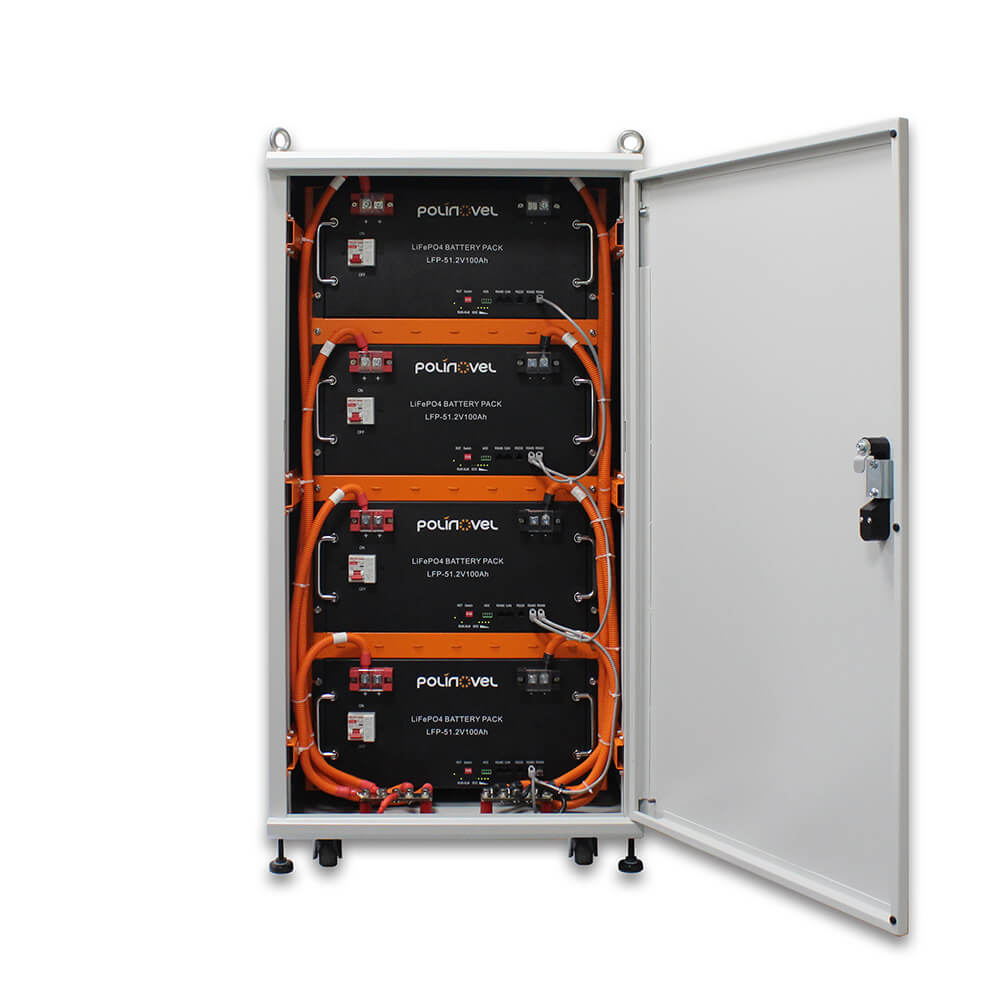
Map out the physical hardware required for a complete ecosystem. Understanding how these parts interact prevents costly compatibility issues and ensures seamless operation during an outage.
A functional storage system relies on three primary hardware components working in perfect synchronization.
The Battery Module: These are the physical chemical cells storing the direct current (DC) energy. We stack multiple modules to increase total capacity.
The Inverter: This component converts DC battery power into usable alternating current (AC) home power. It also reverses the process, converting grid or solar AC back into DC to charge the cells.
The Gateway / Backup Interface: This smart switch physically disconnects your home from the utility grid during an outage. This process, known as islanding, is legally required. It prevents your battery from back-feeding high-voltage electricity onto compromised power lines and electrocuting utility linemen working to restore power.
AC-coupled systems are commonly used when adding battery storage to an existing solar system. They use a separate battery inverter, making installation flexible but slightly less efficient.
DC-coupled systems are better suited to new solar and battery installations. A single hybrid inverter manages both solar panels and battery storage, reducing energy conversion and improving overall efficiency.
Hardware capabilities mean very little without a robust software ecosystem. The manufacturer's mobile app serves as the brain of your energy flow. Advanced systems feature AI-driven TOU optimization that learns your consumption habits and automatically discharges power when utility rates peak. These platforms also integrate automated weather tracking. When severe storms are detected in your area, the software overrides daily cycling routines and prioritizes grid charging to ensure you enter the storm with a completely full battery.
Provide a strict framework for calculating your actual energy needs rather than relying on generalized manufacturer estimates. Accurate sizing prevents unexpected power drops and ensures your critical appliances remain online during extended outages.
Never size a system based on its total marketed capacity. Depth of Discharge (DoD) limits dictate how much energy you can safely extract without damaging the internal cells. You must calculate your expected runtime based strictly on usable kilowatt-hours (kWh). Pushing a battery beyond its recommended DoD degrades the chemistry rapidly and often voids the manufacturer warranty. Always verify the usable capacity rating on the spec sheet before calculating your backup timeline.
Energy storage requires balancing two entirely different power metrics. Continuous power represents the steady energy needed to run standard loads like LED lights, internet routers, and televisions over long periods. Peak or surge power handles massive, instantaneous electrical spikes. Starting a well pump, a sump pump, or a 3-ton HVAC unit requires high Locked Rotor Amps (LRA) for just a few seconds. You must match the battery's inverter output to your home's peak electrical demand. This output capability is completely independent of the battery's total storage capacity. If your inverter cannot handle the LRA of your air conditioner, the system will trip and shut down, regardless of how full the battery is. We often install soft-start devices on HVAC units to reduce this startup surge and prevent inverter overload.
Audit your critical circuits to determine your exact baseline consumption.
Identify the essential 120V and 240V appliances required during an outage. Differentiate between luxury loads and critical survival loads.
Locate the appliance nameplates to check the exact wattage ratings. Note both the running watts and the starting surge watts.
Estimate the realistic daily runtime hours for each device. Remember that refrigerators cycle on and off; they do not draw peak power 24 hours a day.
Multiply the running wattage by the estimated daily hours to find your daily watt-hour requirements, then divide by 1,000 to determine the necessary kWh capacity.
Modern storage systems feature highly modular designs. You can stack multiple battery units together over time. This flexibility allows you to start with a single entry-level unit and expand later as your budget permits. As your household energy needs grow—such as adding an electric vehicle charger or switching to an electric heat pump—you simply integrate additional modules into the existing gateway framework without overhauling the entire system.
Appliance Type | Average Continuous Draw (Watts) | Estimated Surge Draw (Watts) | Impact on Battery Sizing |
|---|---|---|---|
Refrigerator / Freezer | 200 - 400 | 1,200 - 1,500 | Requires moderate surge capacity; cycles on and off, extending kWh runtime. |
Well Pump (1/2 HP) | 1,000 | 2,500 - 3,000 | High surge demand; requires a robust inverter to prevent system tripping during startup. |
Central Air Conditioner (3-Ton) | 3,500 | 10,000+ (Without Soft Start) | Massive surge demand; often requires multiple stacked inverters or a dedicated soft-start installation. |
LED Lighting & Wi-Fi Router | 50 - 100 | None | Minimal impact on continuous power; can run for days on a standard 10kWh battery. |
Break down the economics of the investment carefully. A well-planned system offsets its initial expenditure over time through strategic grid interaction and tax incentives.
Total installation costs extend far beyond the physical battery modules. You must account for the gateway, the backup interface switch, specialized electrical labor, and local permitting fees. Complex wire runs, trenching, and sub-panel installations heavily influence the final investment. Running heavy-gauge copper wire through rigid conduit across a basement adds significant material and labor expenses. Always request highly itemized quotes from contractors. This transparency allows you to separate raw hardware expenses from labor fees and prevents hidden markups.
Federal and local incentives heavily reduce your net expenditure. The Federal Solar Investment Tax Credit (ITC) applies to both standalone battery installations and solar-paired systems. Meeting specific capacity requirements ensures you qualify for this substantial deduction. Many states offer additional localized incentives to encourage grid resilience. Furthermore, local utility companies frequently provide direct cash rebates for installing qualified storage hardware that helps balance the regional grid.
Enrolling in utility grid-services programs generates ongoing revenue. VPPs allow utility companies to draw small amounts of power from your battery during extreme grid emergencies, such as summer heatwaves. The utility sends a digital signal to your gateway, discharging a set amount of energy to stabilize the neighborhood grid. You receive direct financial compensation or heavy bill credits for this shared energy. This active participation helps offset the initial purchase price while supporting broader community grid stability.
Address the hidden hurdles that delay or complicate installations. Proper planning prevents mid-project surprises and ensures your system passes final municipal inspections.
Older homes operating on legacy 100-amp service panels often require a Main Panel Upgrade. Adding heavy storage loads necessitates robust, modern electrical infrastructure. Upgrading to a 200-amp panel or installing a dedicated smart electrical panel adds significant time, labor, and complexity to the project scope. Failing to account for an MPU during the initial planning phase is a common cause of blown budgets and delayed timelines.
Strict local fire codes dictate exact mounting locations for chemical storage. UL 9540 and UL 9540A compliance standards govern thermal runaway safety and dictate how close units can be placed to one another. Municipal inspectors enforce strict clearance distances from windows, doors, and interior living spaces. Depending on your local jurisdiction, you may be forced to install the units on an exterior wall rather than inside the garage. If installed in a garage, inspectors often require steel bollards mounted in the concrete floor to protect the batteries from vehicle impact. Always verify local setback requirements before finalizing your system design.
Always read the fine print on manufacturer guarantees. Do not assume a simple ten-year warranty covers all scenarios. Evaluate warranties based on three distinct metrics: calendar years, total discharge cycles, and total energy throughput (MWh). Energy throughput acts like an odometer; if you cycle the battery heavily multiple times a day, you may hit the throughput limit years before the calendar warranty expires. Pay close attention to the guaranteed capacity retention at year ten. Most reputable brands guarantee the cells will retain at least sixty to seventy percent of their original capacity.
Take these immediate steps to begin your project:
Perform a rigorous critical load audit to determine your exact continuous and surge backup power requirements.
Review your local municipal fire setback codes to identify viable, legal mounting locations on your property.
Request highly itemized quotes from at least three NABCEP-certified installers to compare labor and hardware breakdowns.
Verify your utility provider's specific net metering policies and check for available VPP program enrollment options.
Inspect your main electrical panel to confirm whether you have 100-amp or 200-amp service before contacting an installer.
A: Yes. You can install a standalone battery system that charges directly from the grid. This setup is highly effective for time-of-use arbitrage, allowing you to store cheap off-peak power and use it during expensive evening hours. It also provides reliable backup power during grid outages. Standalone systems are generally eligible for federal tax credits.
A: Runtime depends entirely on your usable capacity divided by your real-time consumption rate. Running basic loads like a refrigerator, router, and LED lights allows a standard battery to last well over 24 hours. However, running high-draw appliances like a central AC unit or electric oven will drain the exact same battery in just a few hours.
A: Most modern lithium-based systems are designed to last between 10 and 15 years. Over time, the chemical cells experience natural degradation, slowly reducing the total amount of energy they can hold. Reputable manufacturers typically provide a 10-year warranty guaranteeing the battery will retain at least 60 to 70 percent of its original capacity.
A: No. If you are retrofitting an existing solar array, you can use an AC-coupled system. This method allows your current solar inverter to remain exactly where it is. The new battery will come with its own dedicated inverter to handle the conversion between alternating current and direct current, making integration straightforward.
A: Yes, provided they meet strict safety certifications like UL 9540A, which tests extensively for thermal runaway fires. However, local fire codes dictate exact placement. Many jurisdictions require specific clearance distances from doors, windows, and living spaces. Depending on your local regulations, you may be required to mount the system on an exterior wall.
A: Batteries perform poorly in extreme cold and degrade faster in extreme heat. If you live in a harsh climate, install the battery in a temperature-controlled garage or basement. If exterior mounting is unavoidable, select a unit with built-in thermal management systems that actively heat or cool the internal cells to maintain optimal operating temperatures.