

close
Choose Your Site
Global
Social Media


Material handling operations face immense pressure to increase throughput while managing rising energy costs and severe labor shortages. Traditional lead-acid battery systems introduce hidden operational drags that slow down progress. Mandatory watering maintenance, long charging cycles, voltage drops, and costly battery swapping downtime eat into daily productivity. Upgrading to a Lithium Forklift Battery requires a significantly higher initial Capital Expenditure (CapEx). To justify this investment, fleet managers must move beyond marketing claims. You need a rigorous Return on Investment (ROI) calculation based on specific facility data to determine the true long-term financial impact.

ROI Timeline: High-use, multi-shift operations typically achieve a 20–50%+ ROI over the battery's lifespan, often reaching the break-even point within 12 to 18 months.
Primary Cost Drivers: Long-term savings are generated by zero daily maintenance requirements, opportunity charging (which eliminates battery swaps), and a lifespan that is often double that of traditional alternatives.
Infrastructure Bottlenecks: Facility electrical capacity and charger compatibility are the most common adoption hurdles that can alter the ROI equation and require upfront mitigation.
Decision Threshold: Single-shift, low-hour operations may not generate sufficient utilization to justify the upfront cost of lithium technology, making accurate ROI modeling critical before procurement.
Table of Contents
Traditional power systems drain resources long after the initial purchase. Lead-acid batteries demand constant physical labor. Maintenance teams spend hours every week watering cells, performing equalization charges, and cleaning corrosive acid spills off battery cases and warehouse floors. These tasks require specialized personal protective equipment, including acid-resistant aprons, face shields, and heavy rubber gloves. You also have to deal with the strict safety protocols surrounding hazardous materials, including maintaining emergency eyewash stations and spill containment kits.
Furthermore, facilities must dedicate valuable real estate to massive battery rooms. You cannot just park a lead-acid forklift anywhere to charge. You need dedicated steel racks, overhead gantry cranes or hoists, and heavy-duty ventilation systems to extract the highly flammable hydrogen gas generated during the charging process. Every square foot occupied by a battery rack is a square foot lost for revenue-generating inventory storage. If you have a 1,000-square-foot battery room, that space could easily hold dozens of pallet positions or a new fulfillment line.
You must establish clear success criteria before overhauling your power system. A successful upgrade should deliver specific throughput increases. Operators should move more pallets per shift because their equipment maintains consistent voltage. Lead-acid batteries suffer from voltage sag; as the shift progresses, the forklift drives slower and the hydraulics lift slower. Lithium maintains a flat voltage curve, meaning the truck performs at maximum speed until the battery is depleted. Labor reallocation serves as another metric. The hours previously spent swapping and watering batteries must transition into productive warehouse tasks like picking, packing, or loading trailers. Finally, energy efficiency benchmarks play a massive role. The new system must draw less power from the grid to achieve the same operational output. Setting these targets ensures your ROI calculation remains grounded in operational reality.
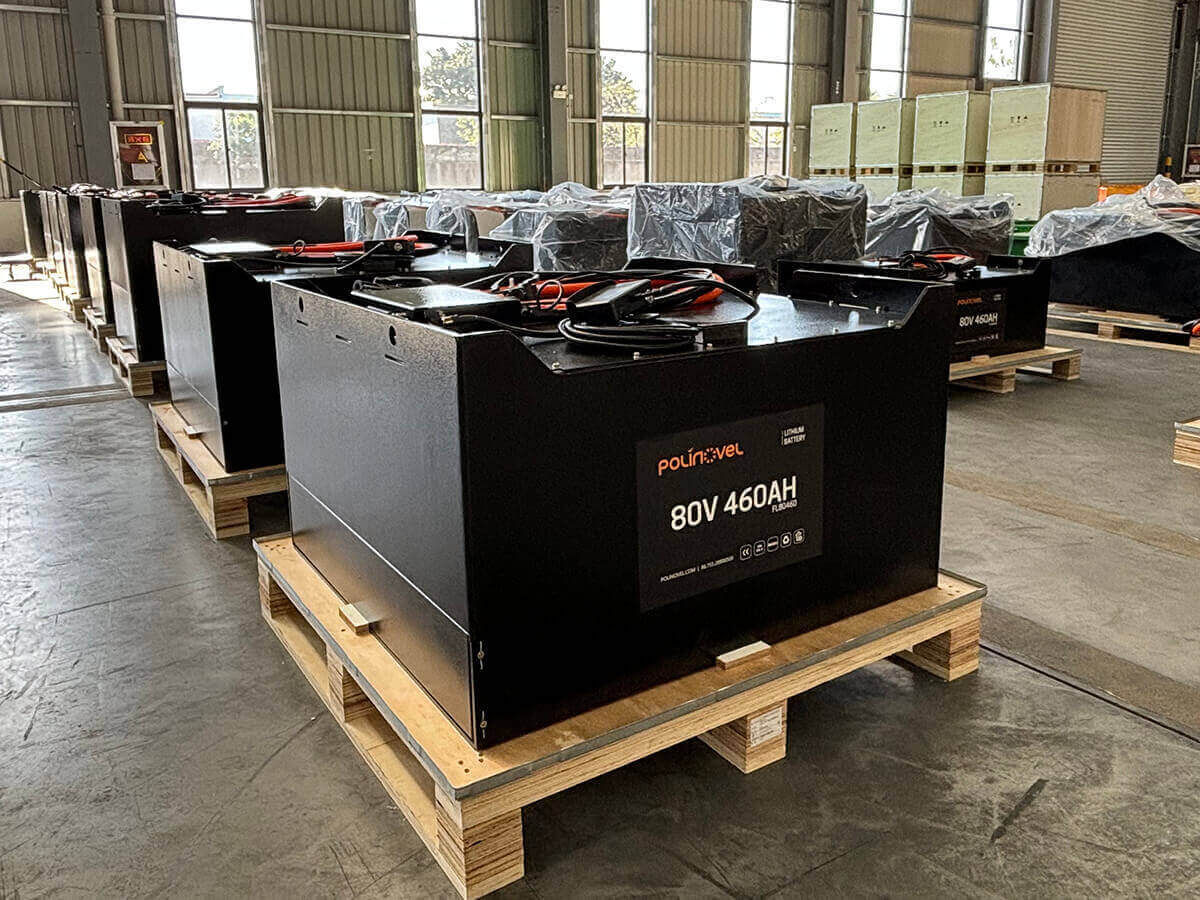
The upfront cost shock often deters fleet managers from upgrading. A Lithium Forklift Battery carries a premium price tag compared to legacy alternatives. Your CapEx calculation must include the battery unit itself and the cost of compatible high-frequency chargers. Legacy chargers cannot communicate with advanced battery management systems. You must also account for potential facility electrical upgrades. Fast-charging infrastructure pulls significant amperage, sometimes requiring new electrical panels, heavier gauge copper wiring, or dedicated circuits routed across the warehouse ceiling.
Matching specific voltage and amp-hour (Ah) requirements prevents inflated upfront costs. You do not need the largest battery available for every piece of equipment. An operation utilizing a 24V 525Ah system handles light-duty pallet jacks efficiently. Upgrading to a 36V 700Ah system makes sense only for heavy-duty reach trucks operating in demanding environments. For massive sit-down counterbalanced trucks pushing heavy paper rolls or lumber, you might look at 48V or 80V systems. Over-specifying your power requirements drastically increases CapEx without delivering proportional operational benefits. Analyze your actual shift data, amp draw, and lift frequency to select the precise capacity your fleet requires.
The most immediate financial relief comes from eliminating battery maintenance labor. Lithium systems are sealed and require zero watering. Maintenance crews no longer spend their shifts checking fluid levels, logging specific gravity readings with a hydrometer, or neutralizing acid buildup on battery terminals. This hard labor cost vanishes from your monthly ledger entirely. If you pay a technician for 20 hours a week just to manage batteries, that expense disappears. You also eliminate the cost of purchasing distilled water or maintaining deionization tanks.
Energy consumption drops significantly due to superior charging efficiency. Lead-acid batteries suffer from massive internal resistance. They waste electrical energy as heat during the charging cycle. You can physically feel the heat radiating off them in the battery room. Lithium technology accepts power with near-perfect efficiency. These advanced systems typically prove 30% more energy-efficient than lead-acid counterparts. Over a multi-year lifespan, this efficiency translates into massive reductions in your facility's monthly utility bills.
Opportunity charging transforms warehouse workflows. Operators plug their equipment into decentralized charging stations directly on the warehouse floor during coffee breaks, lunch hours, or shift changes. A 15-minute charge can replenish enough capacity to finish a demanding shift. This practice keeps equipment moving and eliminates the traditional run-to-empty bottleneck. It also reduces warehouse traffic congestion, as operators no longer funnel into a single battery room at the end of their shifts.
Eliminating mid-shift battery swaps reclaims massive amounts of lost time. A standard swap takes 15 to 30 minutes. Operators must drive to the battery room, wait in line for a hoist, physically exchange the heavy battery, plug it in, and complete safety checks. Multiplying this lost time across a fleet of 50 forklifts over three shifts reveals a staggering loss of productivity. Removing this requirement keeps operators moving freight and loading outbound trailers.
Reclaiming battery room square footage offers a massive financial advantage. Warehouses operate on strict cost-per-square-foot metrics. Dismantling legacy battery racks, hoists, and ventilation systems frees up premium floor space. Facilities can convert this reclaimed area into additional racking, staging zones, or fulfillment lines, directly increasing the revenue potential of the building.

Traditional batteries typically survive around 1,500 charging cycles. In a heavy-duty application, this lifespan expires rapidly, forcing premature replacement purchases. Sulfation builds up on the lead plates, permanently reducing capacity. Lithium-ion variants routinely exceed 3,000 cycles. Many units push past 5,000 cycles while retaining high usable capacity. This extended lifespan defers the massive cost of fleet replacement by several years.
You must also factor in residual value. When a lithium cell degrades past the point of viable material handling use, it still holds significant energy capacity. Facilities often repurpose these degraded units for secondary energy storage systems. They can store solar power or provide backup grid support during outages. This secondary lifecycle adds a final layer of financial return to the initial investment.
Table 1: Operational Variables for ROI Modeling
Variable Category | Legacy Lead-Acid Systems | Advanced Lithium Systems |
|---|---|---|
Daily Maintenance | High (Watering, cleaning, equalizing) | Zero (Sealed units, BMS managed) |
Charging Efficiency | Low (High heat loss, internal resistance) | High (Up to 30% more efficient) |
Cycle Life | Approx. 1,500 cycles | 3,000 to 5,000+ cycles |
Equipment Swaps | Required (15-30 mins per shift) | Eliminated (Opportunity charging) |
Infrastructure Space | Dedicated, ventilated battery rooms | Decentralized floor chargers |
High-throughput facilities consistently document massive long-term savings. When evaluating the financial data over an 8-year period, operations frequently report reducing their power system costs by over 50%. These savings stem directly from the elimination of spare batteries. A legacy system requires two or three batteries per forklift to sustain continuous multi-shift operations. One battery operates in the truck, one sits on the charger, and one cools down on the rack. Lithium systems require a one-to-one ratio. Buying fewer batteries drastically lowers the overall fleet expenditure.
The compounding returns absorb the initial CapEx shock rapidly. During the first year, the upfront cost makes the budget look heavy. However, as month two and month three pass without a single hour billed for battery maintenance, the financial picture shifts. Utility bills drop because you are no longer wasting electricity generating heat in the battery room. Throughput increases because forklifts maintain top travel and lift speeds regardless of the battery's state of charge. The material handling fleet transforms from a constant operational drain into an optimized, cost-saving asset.
Operations running 24/7 see the fastest ROI. Third-party logistics providers and high-throughput distribution centers maximize asset utilization. When a forklift runs constantly, it burns through legacy batteries rapidly. The labor cost of swapping batteries three times a day per truck destroys profit margins. Implementing a Lithium Forklift Battery in these environments often yields a break-even point in under 18 months. The sheer volume of eliminated labor and deferred replacement costs justifies the premium price tag almost immediately.
Cold storage facilities present a unique power challenge. Lead-acid batteries suffer severe voltage drops in sub-zero temperatures. A legacy battery can lose up to 50% of its usable capacity when operating in a freezer. Operators must swap batteries constantly just to keep the equipment moving, which means leaving the freezer and causing condensation issues on the equipment. Lithium technology retains its performance and delivers consistent power regardless of extreme cold. The internal heaters built into advanced packs ensure the cells accept a fast charge even in freezing environments. The ROI in cold storage accelerates rapidly due to the massive recovery of lost operational time.
Not every facility needs an immediate upgrade. Single-shift operations running light-duty cycles face a much longer ROI timeline. If a forklift operates for only three hours a day, a legacy battery will easily survive the shift without a swap. The maintenance burden remains low. In these scenarios, the break-even point might extend beyond five years. Low-use facilities should explore alternative optimization strategies, such as implementing strict watering schedules or upgrading to high-efficiency legacy chargers, before committing to a massive capital expenditure.
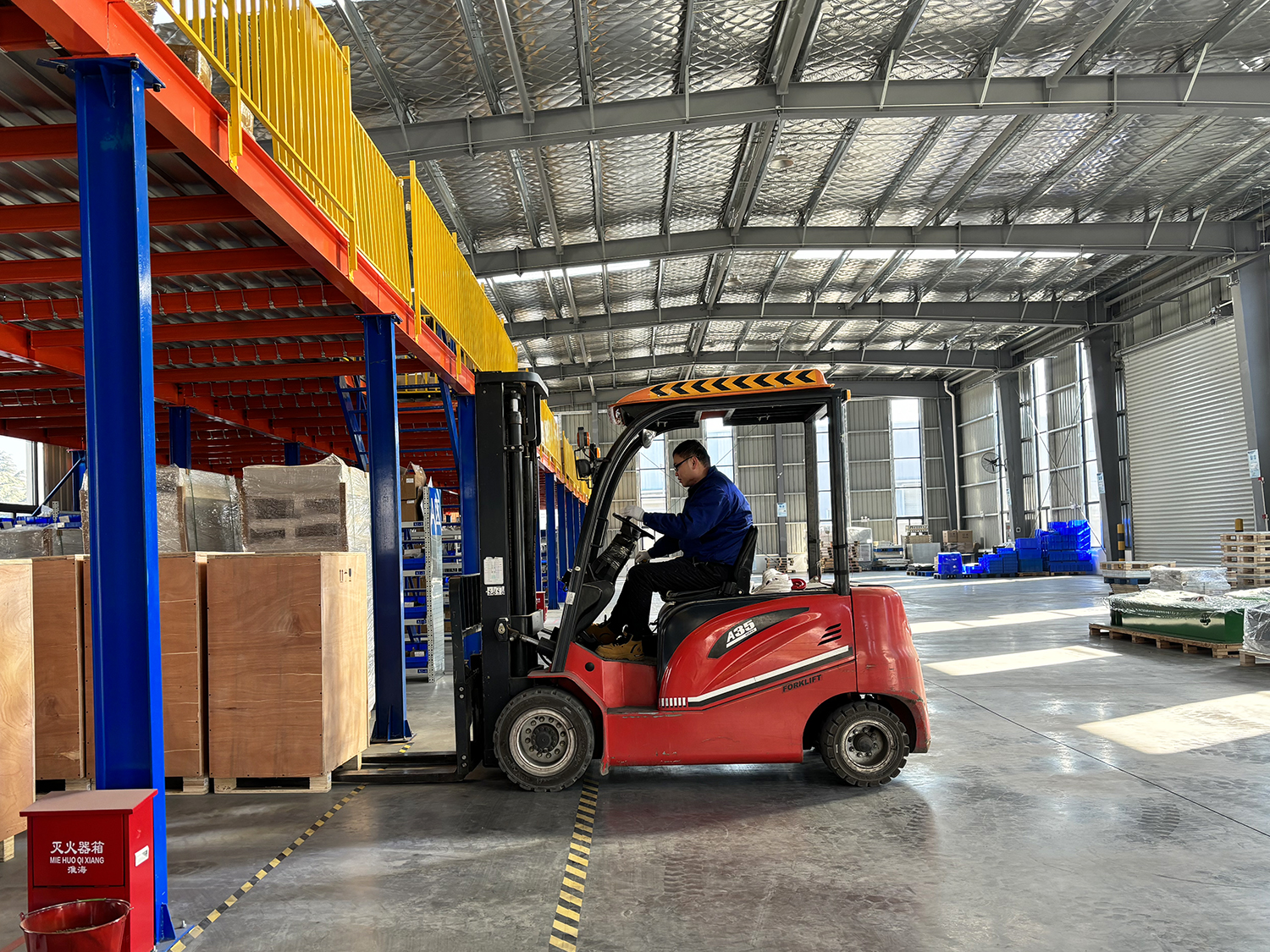
Fast-charging demands serious grid capacity. Many older warehouses lack the electrical infrastructure required to support multiple high-frequency chargers operating simultaneously. You face a significant risk if you purchase the equipment without auditing your building's power supply. Upgrading transformers, pulling new heavy-duty copper wire, and installing new breaker panels can add massive unexpected costs to the project.
Utility companies penalize facilities for massive power spikes. When operators plug in 20 forklifts simultaneously at the start of a lunch break, the peak demand charge skyrockets. You must implement staggered charging strategies. Smart charging networks communicate with each other to cap the total amperage drawn from the grid. This technology ensures batteries charge efficiently without triggering punitive utility fees.
Modern power systems rely on complex software. The forklift's Battery Management System (BMS) must communicate seamlessly with your existing telematics and dashboard displays. If the forklift cannot read the battery's state of charge, operators risk running the equipment until it shuts down unexpectedly in the middle of an aisle. Verify integration protocols with your equipment dealer before finalizing any purchase.
Physics dictates another critical integration challenge. Lithium cells weigh significantly less than lead-acid plates. Forklifts rely on the massive weight of the battery to act as a counterbalance when lifting heavy loads. Installing a lighter power unit alters the truck's center of gravity, creating a severe tipping hazard. You must install engineered steel counterweights inside the battery compartment to match the original equipment specifications and maintain operational stability.
Hardware upgrades fail without cultural shifts. Operators spend years developing a run-to-empty mindset. They drive the forklift until the dashboard flashes red, then drive to the battery room. Lithium systems require strict opportunity charging habits. Operators must learn to plug in the equipment every time they step off the machine, even for a 10-minute break. This behavioral change maximizes battery health and fleet uptime. Facility managers must enforce this new workflow aggressively during the first few months of implementation, often using telematics dashboards to audit charge logs and ensure compliance.
Gather Baseline Fleet Data: Document your exact fleet size. Record the number of shifts per day and the specific equipment voltage/Ah requirements. Accuracy here prevents skewed baseline projections.
Input Current OpEx: Calculate your average hourly labor rates. Pull your local kWh electricity costs from recent utility bills. Document your current monthly spend on maintenance, watering supplies, and replacement parts.
Define CapEx Estimates: Input the quoted costs for the new power units. Include the exact price of the high-frequency chargers. Add any required facility electrical upgrades identified during your site audit.
Project Productivity Gains: Estimate the daily hours saved by eliminating battery swaps. Calculate the value of the warehouse space you plan to reclaim by dismantling the battery room.
Calculate Break-Even and Lifetime Savings: Run the model. The calculator will determine the exact month the investment pays for itself. It will also project the total financial savings over a 7-10 year lifespan.
Many managers overestimate the duration and frequency of opportunity charge times. If operators skip breaks or work through lunch, the batteries will not receive the necessary charge. Build conservative estimates into your model. Assume operators will plug in 70% of the time, rather than 100%. This buffer ensures your ROI projection survives real-world operational friction.
Online calculators serve only as a baseline guide. They provide a rough estimate based on average industry data. You cannot base a massive procurement decision solely on a web tool. A professional site power audit remains mandatory. Qualified systems engineers must validate your infrastructure costs, measure your actual grid capacity, and confirm equipment compatibility before you sign a purchase order.
Audit your current electrical infrastructure to determine if your facility can support high-frequency opportunity charging without triggering peak demand penalties.
Compile 90 days of maintenance logs and utility bills to establish a precise baseline for your current operating expenditures.
Run your facility data through a verified ROI calculator to identify the exact break-even timeline for your specific shift schedule.
Request a professional site power audit from a qualified systems engineer to validate equipment compatibility and finalize your procurement strategy.
For companies evaluating a transition from lead-acid to lithium forklift power, working with an experienced battery manufacturer can also help reduce technical and integration risks. With more than 15 years of experience in lithium-ion battery research, development, design, and production, Polinovel provides LiFePO4 and customized lithium battery solutions for forklifts and other industrial vehicles, supporting businesses in matching battery systems to their specific operating requirements.
A: These advanced units typically deliver between 3,000 and 5,000 charging cycles. In a standard material handling environment, this cycle life translates to a functional lifespan of 7 to 10 years, depending heavily on daily usage and adherence to proper charging protocols.
A: The initial CapEx generally requires a multiplier of 2x to 3x compared to legacy systems. However, this upfront premium must be framed against long-term financial returns, as the elimination of maintenance and spare batteries quickly offsets the initial purchase price.
A: Yes, retrofitting is common. However, you must ensure the new Battery Management System integrates with the forklift's existing dashboard. Additionally, you must install heavy steel counterweights to match the original equipment specifications, as the new units are significantly lighter.
A: Opportunity charging involves plugging the forklift into a charger during short operator breaks or shift changes. This practice maintains high charge levels throughout the day, completely eliminating the need to purchase spare batteries and removing the labor costs associated with battery swaps.
A: They require zero daily maintenance. You never need to add water, clean acid spills, or perform equalization charges. However, routine visual inspections of the cables and periodic software updates for the Battery Management System remain best practices for optimal fleet health.
A: End-of-life recycling infrastructure is expanding rapidly. While disposal fees exist, many facilities avoid them by repurposing degraded batteries. Because the cells retain significant energy capacity after their material handling life ends, they are frequently sold or repurposed for secondary stationary energy storage systems.