

close
Choose Your Site
Global
Social Media


The OEM Lithium Battery Checklist: 10 Questions to Ask Before You Buy helps you cut through marketing claims and focus on what truly matters when selecting a supplier. From cell quality to BMS design and after-sales support, every detail influences performance, safety, and long-term value. If you’re evaluating a lithium battery supplier, this guide gives you clear, practical questions to ask so you can make confident, risk-aware decisions. Ready to choose smarter? Let’s walk through what really matters.
Start with the basics. But go deeper.
Voltage must match your system exactly
Capacity (Ah) defines runtime
Energy density affects size and weight
Cycle life shows how long it will last
Don’t just look at advertised numbers. Ask for usable capacity. That tells the real performance. Also check discharge rate. A high-demand application needs stable output under load. Weak specs lead to voltage drop. That causes poor performance or system failure.
Good practice: Match battery specs to your actual application, not the other way around.
Cell quality defines everything in a lithium battery, so you should always ask for full traceability before making any decision. It matters because the origin of the cells directly impacts performance, safety, and long-term reliability. Without traceability, you’re taking unnecessary risk.
Preferred Tier-1 cell suppliers include:
CATL
BYD
EVE
These manufacturers are known for producing cells that deliver stable discharge curves, which means the battery can maintain consistent output under load. They also offer consistent internal resistance and reliable voltage performance, both of which are critical for efficiency and system stability.
When cells come from low-grade or unknown sources, the risk increases significantly. You may encounter unstable voltage behavior, which can affect how your system operates. Faster degradation is also common, meaning the battery won’t last as long as expected, and in some cases, the failure rate becomes much higher. Thermal issues can also arise, which introduce safety concerns.
Simple rule: better cells lead to better battery life, improved safety, and more predictable performance over time.
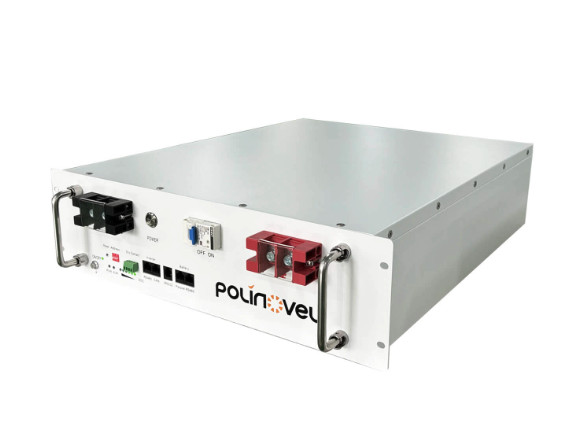
Safety is not optional when it comes to lithium batteries, especially for OEM applications where products are shipped globally and used in demanding environments. Before choosing a supplier, you should always verify whether their batteries meet recognized international standards.
| Certification | Purpose |
|---|---|
| UN38.3 | Transport safety for lithium batteries |
| UL (e.g., UL2580) | Electrical safety and system integrity |
| CE | Compliance in European markets |
| RoHS | Restriction of hazardous materials |
These certifications prove testing and compliance. A proper lithium battery safety certification checklist protects your supply chain and your users.
The BMS is the brain of the battery. It controls safety and performance in real time.
Key features to verify:
Overcharge protection
Over-discharge protection
Temperature monitoring
Cell balancing
Overcurrent protection
Good battery management systems are designed with redundancy, which means if one component fails, another can take over to maintain safe operation. This kind of layered protection is essential because it ensures the battery continues to function safely even under unexpected conditions.
This matters for several reasons. First, it helps prevent overheating by continuously monitoring temperature and shutting down or adjusting operation when needed. Second, it avoids cell damage by controlling charge and discharge processes more precisely. Third, it extends the overall battery life by keeping all cells within safe operating limits over time.
A weak BMS, on the other hand, increases the risk of failure and safety issues. Without proper safeguards and redundancy, small problems can quickly escalate into serious damage. Simply put, a stronger BMS means a more reliable and longer-lasting battery system.
Consistency matters at scale. You want every unit to perform the same.
Ask about quality control stages:
IQC → Incoming materials checked
IPQC → Checks during production
OQC → Final inspection before shipping
Top suppliers also rely on advanced quality systems to maintain consistency across every batch. One common method is Statistical Process Control (SPC), which allows them to monitor production in real time and quickly detect any variations before they become serious issues. This helps ensure that each battery meets strict performance standards without unexpected deviations.
In addition, full traceability through serial numbers is another key practice. It allows every unit to be tracked back to its production data, including materials, processes, and inspection results. This level of traceability makes it easier to identify and resolve issues quickly while also improving accountability and quality control throughout the entire manufacturing process.
| Stage | Focus |
|---|---|
| IQC | Raw materials quality |
| IPQC | Production consistency |
| OQC | Final product validation |
Without these systems, variation grows. That leads to inconsistent products.
Capacity is more than factory size.
Ask real questions:
How many units per month?
Can they handle sudden demand spikes?
What happens during peak season?
Good suppliers rely on structured planning systems like Sales and Operations Planning (S&OP) to stay ahead of demand and avoid disruptions. This approach allows them to align production with real market needs instead of reacting too late, which improves both efficiency and reliability.
Through S&OP, they can forecast demand more accurately, reserve production lines in advance, and secure materials ahead of time. This proactive planning helps prevent unexpected delays and reduces the risk of shortages that could impact your supply chain.
However, scalability must be managed carefully. A strong supplier can increase production volume without sacrificing quality, consistency, or performance. If scaling leads to a drop in quality, that is a clear warning sign and should not be ignored.
Global supply chains can break. It happens. A strong supplier plans for that.
Look for a multi-tier approach:
Tier 1: Critical parts (cells, ICs)
Tier 2: Secondary components
Tier 3: Passive components
They should also:
Maintain buffer stock
Work with multiple vendors
Build long-term supplier partnerships
This reduces risk of shortages. No backup plan? That’s a risk to your production.
Standard products don’t fit every application. You may need custom solutions.
Ask about:
Size and shape
Voltage and capacity
Integration options
Good suppliers support:
Custom OEM lithium battery solutions
Design for Manufacturability (DFM)
Engineering collaboration
This improves performance and reduces cost during assembly. Customization also helps your product stand out.
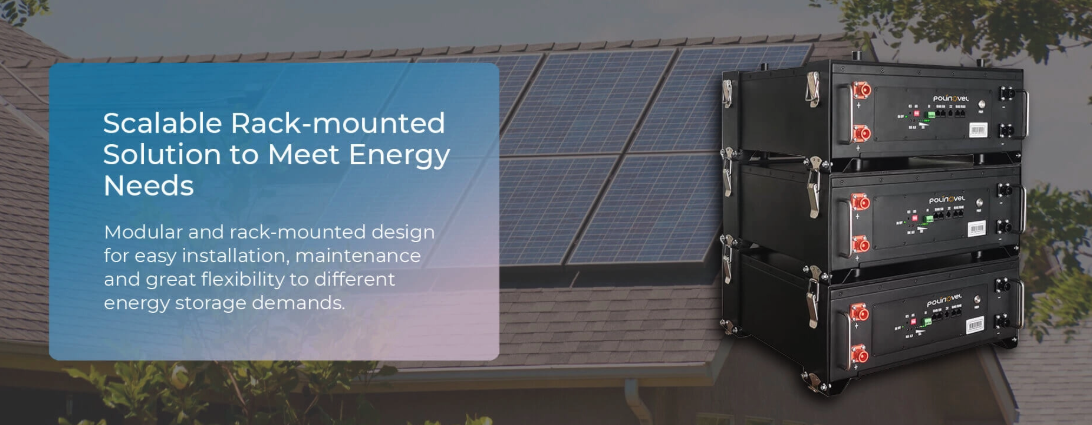
Support matters just as much after the sale as it does during the buying process. A strong partner doesn’t disappear once the order is complete. Instead, they stay involved and help resolve any issues that may arise during use, ensuring your system continues to operate smoothly.
When evaluating a supplier, look for fast response times because delays in support can lead to costly downtime. Technical troubleshooting is equally important, as it shows the supplier can quickly diagnose problems and provide practical solutions. In addition, clear communication channels make it easier to get help when you need it, without confusion or unnecessary back-and-forth. Together, these factors reflect how committed the supplier is to supporting you beyond the initial purchase.
Ask about failure analysis methods like:
Root cause investigation
8D problem-solving process
Corrective action tracking
| Support Type | Why It Matters |
|---|---|
| Technical support | Solves issues fast |
| Failure analysis | Prevents repeat problems |
| Warranty service | Protects your investment |
They should not just replace parts. They should solve the problem.
Price alone does not tell the full story. Cheap upfront cost can lead to higher long-term expenses.
TCO includes:
Battery lifespan
Maintenance costs
Replacement cycles
Downtime impact
Better batteries are designed to deliver consistent performance over a longer period, which means they naturally last longer, fail less often, and require less ongoing maintenance or service. This reliability reduces unexpected downtime and keeps your system running efficiently.
As a result, you benefit from fewer warranty claims, since the products are more durable and stable. At the same time, end users experience higher satisfaction because the battery performs as expected without frequent issues. Over time, this leads to a better return on investment, as the initial cost is offset by longer lifespan, lower maintenance needs, and improved overall performance.
Choosing the right OEM lithium battery partner is not about picking the lowest price—it’s about building a reliable foundation for your product and business. When you ask the right questions about specifications, safety, production, and support, you gain control over quality and long-term performance. A trusted partner like Shenzhen Polinovel Tech Co., Ltd can help you move from uncertainty to confidence with tailored OEM solutions and consistent technical support.